

In this article: What to look for before buying a leather reclining sofa — mechanism types, space requirements, material selection, and the specifications that determine long-term comfort and durability.
- Power vs Manual Recline Mechanisms
- Wall Clearance: How Much Space You Actually Need
- Leather Selection for Reclining Sofas
- Frame and Mechanism Quality Indicators
- Reclining Sofa Configurations: Which Works for Your Room
- Frequently Asked Questions
A leather reclining sofa adds a significant comfort dimension to a living room — but it also introduces specific space, electrical, and maintenance requirements that standard sofas don't have. Getting the specifications right before purchasing prevents the most common post-delivery problems: inadequate wall clearance, insufficient room for the footrest extension, or a mechanism that fails under daily use within a few years.

This guide covers the technical decisions that matter most: mechanism type, space requirements, leather selection for a reclining format, and what to look for in frame and mechanism quality before committing to a purchase.
Quick Takeaways
• Power recline is worth the premium for most households.
Adjustable positions, zero-gravity presets, and USB charging are standard on quality power models — and the mechanism is easier to use for elderly or mobility-limited users.
• Wall-hugger designs save 4–6 inches of clearance vs traditional recliners.
If your sofa is within 12–18 inches of a wall, a wall-hugger mechanism is a functional requirement, not an upgrade.
• Protected leather finishes hold up better under reclining motion.
The back and arm leather flexes repeatedly in a reclining sofa; protected finishes maintain integrity longer than aniline leather in flex zones.
• The footrest extension depth must be measured separately from the sofa depth.
Most reclining sofas add 18–24 inches when fully extended — this defines the minimum room depth required for full use.
• Frame quality matters more in reclining sofas than standard sofas.
The recline mechanism amplifies stress at connection points; weak frames or poor welds fail faster under repeated motion cycles.
1. Power vs Manual Recline Mechanisms
 Manual recline
Activated by pushing back with your body or pulling a lever on the side. Typically two positions: upright and reclined. No electrical requirements, lower price point, and no motor to service. The limitation is the fixed recline angle — you can't stop at an intermediate position.
Power recline (motorized)
An electric motor adjusts the back and footrest independently. Most power recliners allow any intermediate position — upright, slightly reclined, fully flat — via a button or app. Better for users who need precise positioning for reading, napping, or watching TV at different angles. Requires an accessible power outlet and periodic inspection of the motor housing and wiring.
Zero-gravity and layflat options
Premium power models offer zero-gravity positioning (recline angle that distributes weight evenly across the body) and true layflat positions where the back and footrest create a nearly flat sleeping surface. These presets make the sofa significantly more versatile for extended lounging, napping, or users with back and hip issues.
USB and power pass-through
Most quality power recliners include built-in USB charging ports in the console or armrest. Confirm the port type (USB-A vs USB-C) and wattage output if this feature is important for your use case.
2. Wall Clearance: How Much Space You Actually Need

Traditional recline mechanism
Requires 10–18 inches of clearance from the wall when fully extended. The back pushes backward and the footrest extends forward. This is the mechanism most people picture — and the reason many reclining sofas can't be placed against a wall.
Wall-hugger (proximity) mechanism
Slides the seat forward as it reclines, so the back barely moves relative to the wall. Requires only 4–6 inches of rear clearance. A wall-hugger design is functionally necessary if your sofa will be within 12 inches of any wall or architectural feature behind it.
Footrest extension
Regardless of mechanism type, the footrest extends 18–26 inches forward from the front edge of the sofa when fully open. Measure from the sofa's front edge to the nearest obstruction (coffee table, wall, TV stand) to confirm you have adequate extension space. A coffee table at 18 inches may need to slide forward during use.
Electrical placement
For power recliners: plan the outlet location before delivery. Most power recliners have a power cord 4–6 feet long from the mechanism housing. Hiding the cord beneath the sofa or along a baseboard is standard, but the outlet needs to be accessible without a long visible extension cord.
3. Leather Selection for Reclining Sofas
Reclining sofas flex leather differently than standard sofas. The back and side panels crease and stretch at the recline hinge points with every use cycle. Material selection should account for this repeated flexion.
Protected (pigmented) leather — recommended
The most durable choice for reclining applications. The protective topcoat maintains integrity through repeated flexing better than aniline finishes. Cleans easily, resists the body oils that accumulate heavily in high-contact zones (headrests, seat backs, arm areas). Best for households that want durability and low maintenance.
Semi-aniline leather
A viable option for reclining sofas used primarily by adults in lower-traffic settings. The light protective coating helps, but semi-aniline is more sensitive to repeated flexion than fully protected leather. Requires more consistent care in flex zones.
Full aniline leather — use with caution
Beautiful and soft, but the most sensitive to the stress of repeated recline cycles. Crease marks in flex zones are more visible on aniline leather. Not recommended for daily-use reclining sofas unless the piece sees very careful, limited use.
Leather grade and panel quality
Ask specifically what leather is used on the seat, back panels, and arm surfaces — these high-contact zones flex most and degrade fastest. Some manufacturers use genuine leather on primary surfaces and a lower-grade material on sides and back panels. Clarify this before purchasing.
4. Frame and Mechanism Quality Indicators

Frame material for reclining applications
Kiln-dried hardwood or heavy-gauge steel is preferred over standard solid wood or particle board. Reclining mechanisms create repeated stress at the seat deck and back attachment points — this accelerates failure in any frame material that isn't built to handle motion loads. Steel-reinforced frames are common in quality power recliners for this reason.
Mechanism quality
• Recline should be smooth and continuous — no clunking, grinding, or sticking.
• The footrest should extend and retract fully without force on a manual mechanism.
• Power models should move without delay or hesitation from any intermediate position.
• Listen for metal-on-metal noise when reclining — this indicates insufficient bushing or lubrication at pivot points, which worsens over time.
Mechanism warranty
Look for a separate mechanism warranty of at least 3–5 years for power models, ideally longer. Motor and actuator failures are the most common power recliner service issue — a warranty that covers these components specifically matters more than a general furniture warranty.
5. Reclining Sofa Configurations: Which Works for Your Room
| Configuration | Seats | Best for |
|---|---|---|
| Single recliner chair | 1 | Supplemental seating; does not replace sofa |
| Reclining loveseat (2-seat) | 2 | Smaller media rooms, apartments, bedroom viewing areas |
| Reclining sofa (3-seat) | 3 | Standard living rooms and family rooms |
| Reclining sectional with chaise | 4–5 | Dedicated media rooms with a clear viewing direction |
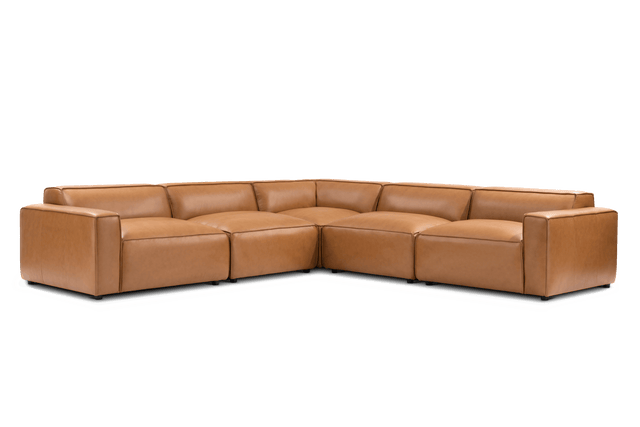
| Full reclining sectional (L-shape) | 5–7 | Home theaters, large family rooms with high seating demand |
Frequently Asked Questions
How much space does a reclining sofa need from the wall?
A traditional reclining mechanism requires 10–18 inches of clearance from the wall. A wall-hugger (proximity) mechanism reduces this to 4–6 inches by sliding the seat forward as it reclines. If your sofa is within 12 inches of a wall, a wall-hugger design is strongly recommended — otherwise the sofa cannot recline fully.
Is a power recliner worth the extra cost?
For most households, yes. Power recline offers adjustable intermediate positions (not just up or fully reclined), makes the mechanism easier to use for elderly or mobility-limited users, and typically includes features like USB charging, zero-gravity presets, and independent headrest adjustment. The motor adds a service component over a manual mechanism but is generally reliable with normal use.
Can I put a reclining sofa against the wall?
With a wall-hugger design, yes — as little as 4–6 inches of clearance is sufficient. With a traditional reclining mechanism, you'll need 10–18 inches minimum, which typically means the sofa needs to float away from the wall. Check the product specifications under "wall clearance required" before purchasing if space is a concern.
What is the best leather for a reclining sofa?
Protected (pigmented) top grain leather is the most durable choice for reclining sofas. The protective topcoat maintains integrity through the repeated flexion at hinge points and resists body oil buildup in high-contact zones. Semi-aniline is a reasonable secondary choice for lower-traffic households. Avoid pure aniline leather in reclining applications — it shows crease marks at flex zones and requires more careful maintenance.
How do I fix a reclining sofa that won't close fully?
For manual mechanisms: check for obstructions underneath the sofa, verify the release mechanism (usually a lever or pull cord) is fully engaged, and inspect for visible bent or out-of-alignment parts. For power mechanisms: try a full power cycle (unplug for 30 seconds, then replug) — this resets the actuator's home position. If neither resolves the issue, contact the manufacturer for service, especially if under warranty.
How long do leather reclining sofas last?
A quality leather reclining sofa with a kiln-dried hardwood or heavy-gauge steel frame and a protected leather finish typically lasts 10–20 years with normal care. The mechanism is the component most likely to require service first — power motors and actuators can be replaced on most quality models. The leather itself, if cared for correctly, often outlasts the mechanism.