

In this article: A practical breakdown of coffee table finish types — lacquered wood, marble, glass, and metal — ranked by how much daily maintenance each realistically requires.
- Lacquered and Oiled Solid Wood Finishes
- Marble and Stone Surfaces
- Tempered Glass Tops
- Metal and Powder-Coated Finishes
- Day-to-Day Maintenance Ranked by Finish Type
- Frequently Asked Questions
The finish on a coffee table determines how much effort it takes to keep looking acceptable over years of daily use — not just how it looks at purchase. A table that reads beautifully in a showroom can become a source of frustration if its finish shows every fingerprint, ring, and scratch from regular living room use.

This guide evaluates the five most common coffee table finish categories — lacquered wood, oiled wood, marble, tempered glass, and powder-coated metal — on the criteria that matter most for everyday use: scratch resistance, stain resistance, ease of daily cleaning, and required maintenance frequency.
Quick Takeaways
• Tempered glass requires the least daily effort.
Wipe it with a damp cloth and it looks new — no oils, no waxes, no seasonal treatments needed.
• Oiled wood demands the most ongoing attention.
It looks warm and natural, but requires re-oiling every one to three months to maintain its protective layer and appearance.
• Marble needs sealing, not just wiping.
Unsealed marble stains within minutes from acidic liquids like coffee or wine — sealing annually transforms it from high-maintenance to manageable.
• Lacquered wood hides daily use better than oiled wood.
The hard lacquer coat repels moisture and minor abrasion, making it more forgiving for households with children or pets.
• Powder-coated metal is low-maintenance but shows chips over time.
The coating itself is durable, but once it chips at corners or edges, bare metal beneath is vulnerable to rust in humid environments.
1. Lacquered and Oiled Solid Wood Finishes

Solid wood coffee tables come with two primary surface treatments: lacquer (or polyurethane) and oil. The difference between them has significant practical implications for maintenance.
Lacquered and Polyurethane-Finished Wood
Lacquer creates a hard, clear film over the wood surface that acts as a barrier between the wood grain and whatever comes into contact with the table. This film repels water, resists minor scratches from keys or remotes, and cleans easily with a damp cloth. The trade-off is that when the finish does chip or scratch through the lacquer layer — from a sharp impact or abrasive cleaning — the repair is more involved. Spot-refinishing lacquer requires matching sheen level and feathering the edges to avoid a visible patch.
For daily cleaning, use a soft, slightly damp cloth — dry microfiber works well for dust. Avoid silicone-based furniture polish on lacquered surfaces; it builds up over time and creates a cloudy film that dulls the finish. Mild dish soap diluted in water handles most sticky residue. Dry the surface immediately after any wet cleaning to prevent moisture from working under the lacquer at edges or seams.
Oiled Wood
Oil penetrates the wood grain rather than sitting on top of it, which means the wood surface itself is exposed to contact — the oil merely conditions and partially seals the fibers. This produces a matte, tactile surface that looks more natural than lacquer, but it requires regular replenishment as the oil depletes through use and cleaning.
Re-oil an oiled wood table every one to three months depending on use intensity and humidity levels in your home. Apply with a lint-free cloth, allow 20 to 30 minutes of absorption, then wipe away any excess. Leaving excess oil on the surface attracts dust and creates a sticky residue. Water rings and stains penetrate oiled wood more readily than lacquered wood — address spills immediately and dry the surface completely.
2. Marble and Stone Surfaces

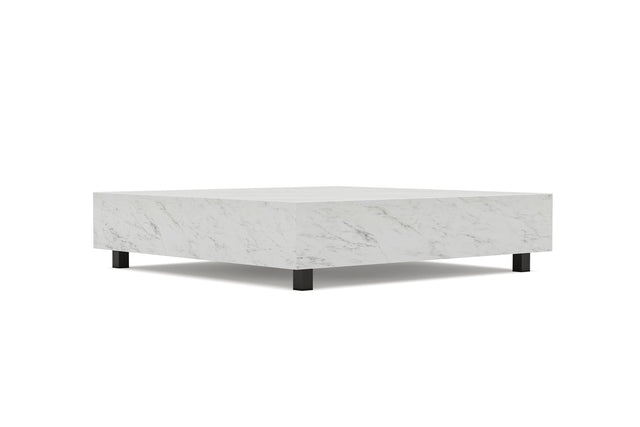
Marble is a calcium carbonate stone, which makes it naturally reactive to acidic liquids. Coffee, wine, citrus juice, and even some tap water can etch or stain an unsealed marble surface within minutes of contact. Understanding this chemistry is the foundation of any marble maintenance plan.
Sealing
An impregnating stone sealer — applied to the surface and allowed to cure — fills the pore structure of the marble and dramatically slows liquid absorption. Without sealer, a drop of red wine left for five minutes can leave a permanent pink tint in white Carrara marble. With sealer applied, the same spill wipes clean with a damp cloth if addressed within a few minutes.
Apply stone sealer when the table is new, before first use. Reapply annually, or whenever water no longer beads on the surface (this is the indicator that sealer has depleted). Use a penetrating impregnating sealer rather than a topical coating — topical sealers peel over time and can cloud the surface appearance.
Daily Cleaning
Use a pH-neutral stone cleaner or plain warm water with a soft cloth. Avoid vinegar, lemon juice, bleach, or any acidic or alkaline cleaner — all of these etch polished marble surfaces on contact, leaving dull spots that cannot be cleaned away and require professional re-polishing. Standard multi-surface sprays often contain citric acid or bleach derivatives and should never be used on marble.
Always use coasters under any beverage glass on a marble table. Even with sealer applied, prolonged wet contact from condensation on cold glasses will eventually work through the sealer layer at that point.
Sintered Stone and Engineered Stone Alternatives
Sintered stone surfaces (used in some contemporary coffee tables) are far less porous than natural marble and require no sealing. They resist staining and etching significantly better. If you want the aesthetic of stone without marble's maintenance requirements, sintered stone is worth considering when evaluating options.
3. Tempered Glass Tops

Tempered glass is the lowest-maintenance coffee table finish in everyday use. It does not absorb liquids, it does not require sealing, and it cleans completely with a damp cloth or glass cleaner in seconds. The surface is non-porous, so there is no risk of staining from spills that sit for a few minutes.
Daily Cleaning
Wipe with a microfiber cloth dampened with water or diluted glass cleaner. For fingerprints and smudge marks — which are the primary maintenance challenge on glass — a dry microfiber cloth alone handles most of it. Avoid paper towels, which leave lint and fine scratches on glass surfaces over time. Spray glass cleaner directly onto the cloth rather than the surface to prevent overspray from reaching wood or metal frame components.
Scratch Resistance Considerations
Tempered glass resists everyday abrasion well, but it is not scratch-proof. Setting ceramic mugs or unfinished ceramic bases on the glass surface repeatedly will eventually produce fine surface scratches. Use felt pads under items placed permanently on the table. Deep scratches in tempered glass cannot be polished out effectively — the glass panel would need replacement, though most glass-top tables use standard-size panels that are straightforward to source.
Safety Note
Tempered glass is engineered to shatter into small, less-dangerous fragments rather than large shards if it breaks. This makes it a practical choice for households with children compared to standard float glass. However, sharp impact at the edges — rather than the flat surface — is the most common cause of tempered glass failure.
4. Metal and Powder-Coated Finishes
Metal frames and tabletops on coffee tables are typically finished with powder coating — an electrostatically applied dry powder that is then heat-cured to form a hard, protective skin over the metal. This finish is durable against everyday use but has specific vulnerabilities to watch for.
Daily Cleaning
Powder-coated metal wipes clean with a damp cloth. For grease or sticky residue, mild dish soap in warm water removes most deposits without damaging the coating. Avoid abrasive scrubbers, steel wool, or solvent-based cleaners — these strip the powder coat and expose the bare metal underneath.
Edge Chipping and Rust Prevention
The most common failure point for powder-coated metal furniture is chip damage at corners and edges, where impacts and furniture movement cause the coating to crack and flake. Once bare metal is exposed, moisture will cause rust to develop — particularly in humid rooms or climates. Inspect edge condition annually and address chips promptly with touch-up paint matched to the original finish color. Many manufacturers provide touch-up pens or recommend specific spray paints.
For tables used outdoors or in humid rooms (sunrooms, basement entertainment rooms), an additional wax coat applied over the powder coating — Renaissance Wax or a standard paste carnauba wax — provides a supplemental moisture barrier and extends the life of the finish meaningfully.
Brushed and Polished Metal
Some coffee tables feature brushed steel, brass, or chrome components that are not powder-coated. Brushed surfaces collect fingerprints in the same way as glass but require a metal-appropriate cleaner — diluted white vinegar solution for chrome, or a brass-specific polish for brass components. Polished chrome scratches permanently from abrasive cleaning; use microfiber only.
5. Day-to-Day Maintenance Ranked by Finish Type
The table below ranks each finish type across four practical categories. Ratings reflect typical performance under normal household use — regular cleaning, occasional spills, and standard object placement.
| Finish Type | Scratch Resistance | Stain Resistance | Ease of Daily Cleaning | Maintenance Frequency |
|---|---|---|---|---|
| Tempered Glass | High (surface); Low (edges) | Excellent — non-porous | Very easy — damp cloth or glass cleaner | Daily wipe; no periodic treatments |
| Lacquered Wood | Moderate — film resists minor abrasion | Good — lacquer repels moisture | Easy — damp microfiber; avoid silicone polish | Occasional waxing; re-lacquer only when damaged |
| Powder-Coated Metal | High on flat surfaces; Low at edges | Good — non-porous when coating intact | Easy — damp cloth; mild soap for grease | Annual edge inspection; touch-up chips promptly |
| Sealed Marble | Moderate — resists normal use; chips under impact | Good when sealed; Poor when unsealed | Moderate — pH-neutral cleaner required; no acids | Annual re-sealing; coasters always required |
| Oiled Wood | Low — surface absorbs scratches into wood grain | Moderate — oil partially repels moisture | Moderate — avoid excess water; dry immediately | Re-oil every 1 to 3 months |
For households that prioritize low ongoing effort, tempered glass and lacquered wood are the most practical choices. Marble and oiled wood offer distinctive aesthetics but require a realistic commitment to their specific maintenance routines. Powder-coated metal sits in the middle — easy to clean daily but requires attention to edge condition to prevent long-term rust problems.
Frequently Asked Questions
Which coffee table finish is easiest to maintain with kids or pets?
Lacquered wood or tempered glass handles household use with children and pets most practically. Lacquered wood wipes clean easily and resists minor scratches from toys and pet claws better than oiled wood. Tempered glass is non-porous and cleans in seconds, though its edge vulnerability means it is less suited to very young children who might run into furniture corners. Marble and oiled wood are the least practical in high-traffic, spill-prone environments.
How do I remove a water ring from a lacquered wood coffee table?
White water rings in lacquered wood are usually trapped moisture in or just below the finish layer — not in the wood itself. Apply a small amount of petroleum jelly or mayonnaise to the ring, leave it for several hours, and wipe away. The oil displaces the moisture and the ring typically disappears or fades significantly. If the ring is dark (indicating moisture penetrated the wood grain), it requires light sanding and touch-up finishing, which is best done professionally unless you have refinishing experience.
How do I seal a marble coffee table for the first time?
Clean the surface with a pH-neutral stone cleaner and allow it to dry completely — sealer applied over any moisture or residue will not cure properly. Apply an impregnating penetrating stone sealer to the surface with a clean cloth or applicator pad, following the manufacturer's dwell time (typically 15 to 30 minutes). Wipe away any excess before it dries on the surface, as dried excess sealer leaves a hazy residue. Allow the surface to cure for the specified time (typically 24 to 48 hours) before use.
Can I use glass cleaner on a tempered glass coffee table?
Yes. Standard household glass cleaner (Windex or equivalent ammonia-based formulas) is safe for tempered glass surfaces. Spray onto a microfiber cloth rather than directly on the glass to prevent overspray from contacting wood or metal frame components, which can strip finishes over time. For everyday maintenance, a dry microfiber cloth handles fingerprints and light dust without any cleaner at all.
How do I know when marble needs re-sealing?
The simplest test is the water bead test: place a few drops of water on the surface and watch what happens over 10 minutes. If the water beads up and sits on the surface, the sealer is still effective. If the water flattens out and absorbs into the stone — darkening the surface — the sealer has depleted and the table needs re-sealing before the next use. Most marble coffee tables in regular living room use need re-sealing once per year.
What causes powder-coated metal furniture to rust?
Rust on powder-coated furniture originates from chip damage that exposes bare metal to moisture. The powder coat itself does not rust — but once cracked or chipped at edges or corners, the unprotected steel underneath will oxidize in the presence of humidity. Address chips with touch-up paint promptly. In humid climates or rooms, applying a thin coat of paste wax over the powder coating annually provides a supplemental moisture barrier and significantly extends finish life.
Is oiled wood a practical choice for a coffee table in a household that uses coasters inconsistently?
Oiled wood is the least forgiving finish for inconsistent coaster use. Without a hard lacquer barrier, moisture from condensation penetrates the wood fibers within minutes, leaving white rings or gray stains. If coasters are used reliably, oiled wood is maintainable and looks excellent over time. If not, lacquered wood or tempered glass provides a much more forgiving daily experience without sacrificing aesthetics significantly.
Can scratches in lacquered wood be repaired at home?
Surface scratches that stay within the lacquer layer (appearing white or opaque rather than showing dark wood grain beneath) can often be minimized using a paste wax applied with fine steel wool in the direction of the grain, followed by buffing. Deeper scratches that expose the wood grain require a touch-up marker or scratch filler matched to the wood color, followed by a clear lacquer pen to reseal the area. Neither method produces a perfectly invisible repair — for a flawless result, refinishing the entire top surface is necessary.